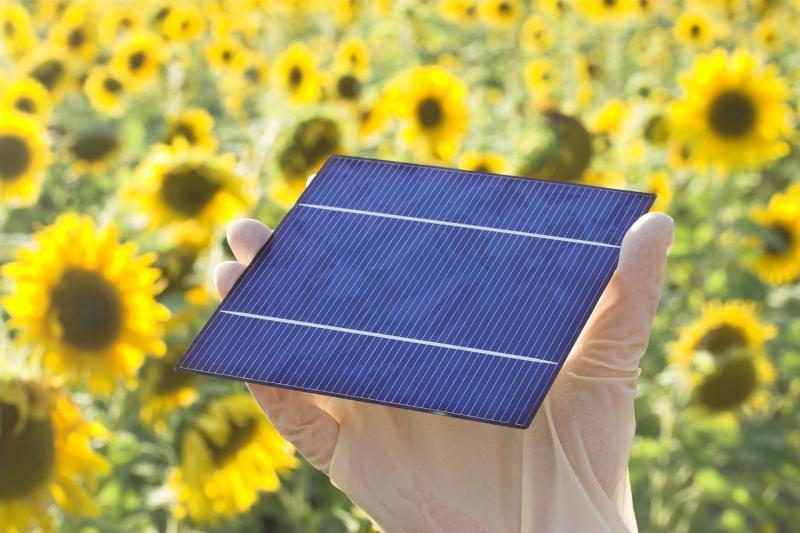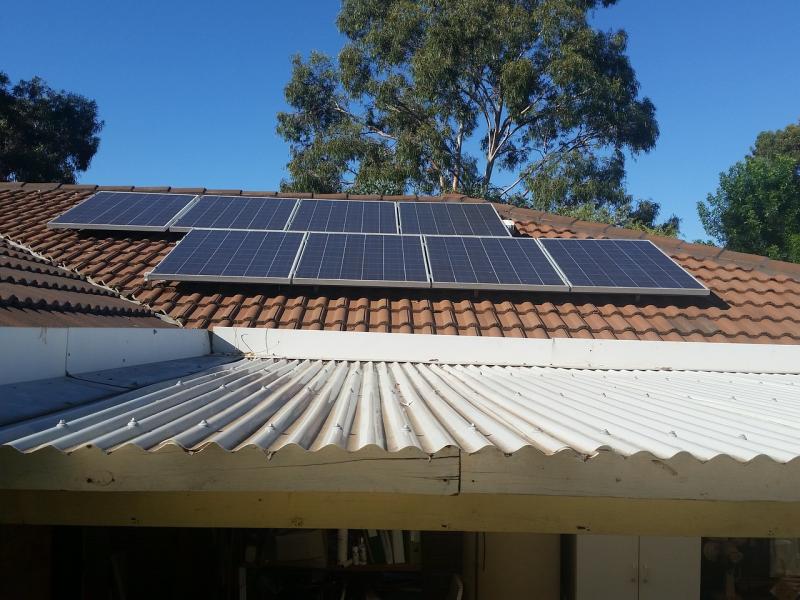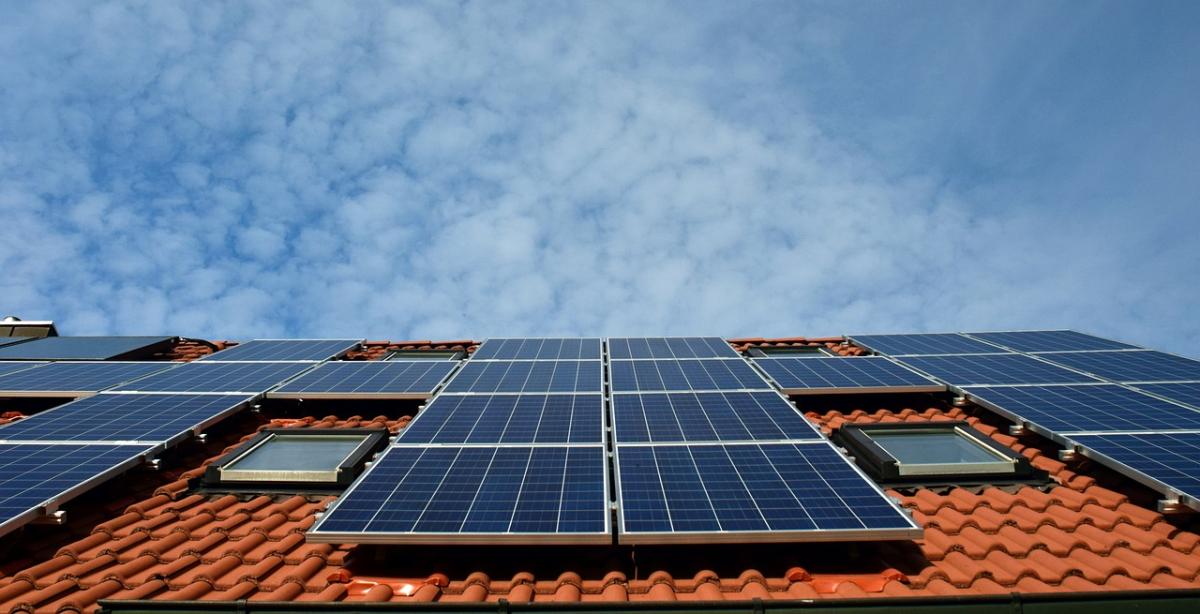
Solar technology has been around for a long time, much longer than many realize. The journey began in the early 1800s with scientists like Alexandre Becquerel, who discovered the photovoltaic effect. This phenomenon is what allows solar panels to convert sunlight into electricity. It’s amazing to think that something so revolutionary started with just a simple experiment!
Fast forward to the late 1800s, and we see more exciting developments. In 1883, Charles Fritts created the first working solar cell using selenium. This solar cell was pretty inefficient by today’s standards and could only convert about 1% of sunlight into energy, but it was a significant step forward. This little breakthrough proved that solar power had potential, even if it was a long way from being practical for everyday use.
By the 1950s, thanks to the work of researchers at Bell Labs, solar technology took a giant leap with the introduction of silicon solar cells. These cells had an efficiency of about 6%, making them much more viable for commercial use. This marked the real birth of modern solar panels, laying the groundwork for everything we see today.
From humble beginnings to today's advanced technology, solar energy has come a long way. It went from being a scientific curiosity to a legitimate energy source that’s gaining traction around the globe. People are now looking to harness the sun's power more than ever, and this journey is just the starting point of what we can achieve with solar technology.
Major Breakthroughs in Solar Panel Design
Solar panel technology has come a long way, and some major breakthroughs have really changed the game. One of the biggest steps forward was the introduction of photovoltaic cells made from monocrystalline silicon. These panels are super efficient and can produce more energy in a smaller space, which is a big plus for homeowners with limited roof area.
Another exciting development is the rise of thin-film solar panels. Unlike traditional panels, these are lightweight and flexible, making them perfect for a variety of applications, from roofs to portable chargers. They might not be as efficient as their silicon counterparts, but their versatility opens up new possibilities, especially for innovative installations.
Let’s not forget about the advancements in solar energy storage, too! With batteries like lithium-ion becoming more accessible and efficient, homeowners can now store energy generated during the day to use at night. This means you can rely less on the grid and make the most out of the energy your panels produce.
Lastly, integrating smart technology has been a game changer. Many modern solar panels now come with apps that let you monitor your energy production and consumption in real-time. This means you can adjust your usage and maximize your savings, making solar energy even more user-friendly and efficient than ever before.
Modern Innovations in Solar Power
One of the biggest breakthroughs has been the development of bifacial solar panels. These panels capture sunlight from both sides, increasing their energy output. This is especially helpful in areas with a lot of reflected sunlight, like snowy regions or places with bright surfaces. Imagine getting more power just by choosing the right positioning!
Another cool trend is the rise of solar shingles. These are designed to blend seamlessly into your roof while still generating energy. It’s a win-win: you get the benefits of solar without sacrificing the look of your home. They’re a fantastic option for anyone who loves aesthetics as much as they love sustainability.
Lastly, energy storage solutions have improved massively. Modern batteries can store solar energy for use when the sun isn't shining. This means that you can rely on your solar power around the clock, making your home much more energy-independent. It’s a game-changer, especially for those in areas with less stable energy grids.
The Future of Solar Energy Solutions
One exciting trend is the development of solar energy storage. With batteries getting more efficient and affordable, homeowners can store energy collected during the day for use at night. This means you can power your home even when the sun isn’t shining. It's like having a personal energy reserve, giving you more control over your energy costs and consumption.
Another buzzworthy innovation is the rise of smart solar panels. These panels can communicate with your home’s energy system, optimizing energy use based on real-time data. This intelligent technology helps you maximize your energy efficiency without lifting a finger. Plus, many smart systems can connect with renewable energy sources like wind, making your home even greener.
As more people turn to renewable energy, the solar industry is likely to see enhanced collaboration with other sectors. Building designs are evolving to incorporate solar technology directly into their structure. Think solar-integrated facades or energy-efficient designs that save space while generating power. This integration helps us think beyond just panels on rooftops!